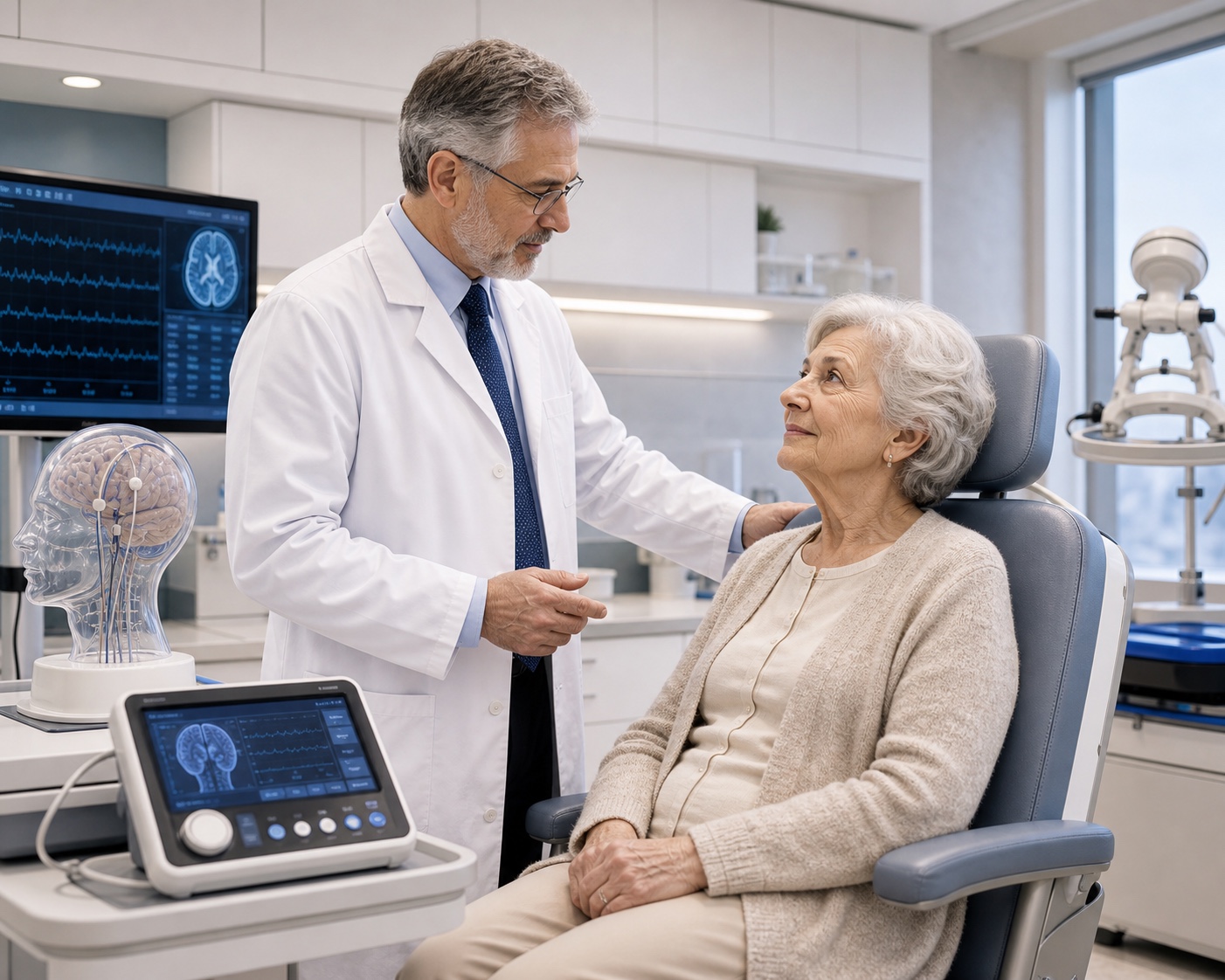
Neuromodulation Center
At our Neuromodulation Center, we help people whose neurological and movement disorders are no longer controlled by medication to regain movement, comfort and independence. Using Deep Brain Stimulation — one of the most established and adjustable neuromodulation therapies — our multidisciplinary team designs care around each patient, from the first assessment through surgery, programming and lifelong follow-up.

Prof. Dr. Ersoy Kocabıçak
Neurosurgeon & Deep Brain Stimulation Specialist · Rector, Istanbul Atlas University
Prof. Dr. Ersoy Kocabıçak is a neurosurgeon specialising in Deep Brain Stimulation and functional neurosurgery, and Rector of Istanbul Atlas University. He graduated from Ondokuz Mayıs University Faculty of Medicine, completed his neurosurgery training there, and earned a PhD in neuroscience at Maastricht University in the Netherlands with a dissertation on Deep Brain Stimulation in Parkinson's disease. A faculty member since 2009, he founded the Neuromodulation Center at Ondokuz Mayıs University in 2017 and has performed and supervised more than 800 DBS procedures. He is President of the National Deep Brain Stimulation Society, a founding and board member of the International Deep Brain Stimulation Society and co-editor of the Deep Brain Stimulation Journal, with over 100 scientific publications and the first DBS textbook published in Türkiye.
Roles & Credentials- Rector, Istanbul Atlas University
- President, National Deep Brain Stimulation Society
- Founding & Board Member, International Deep Brain Stimulation Society
- Co-Editor, Deep Brain Stimulation Journal
- PhD in Neuroscience, Maastricht University
- Scientific Director, Atlas University DBS Center
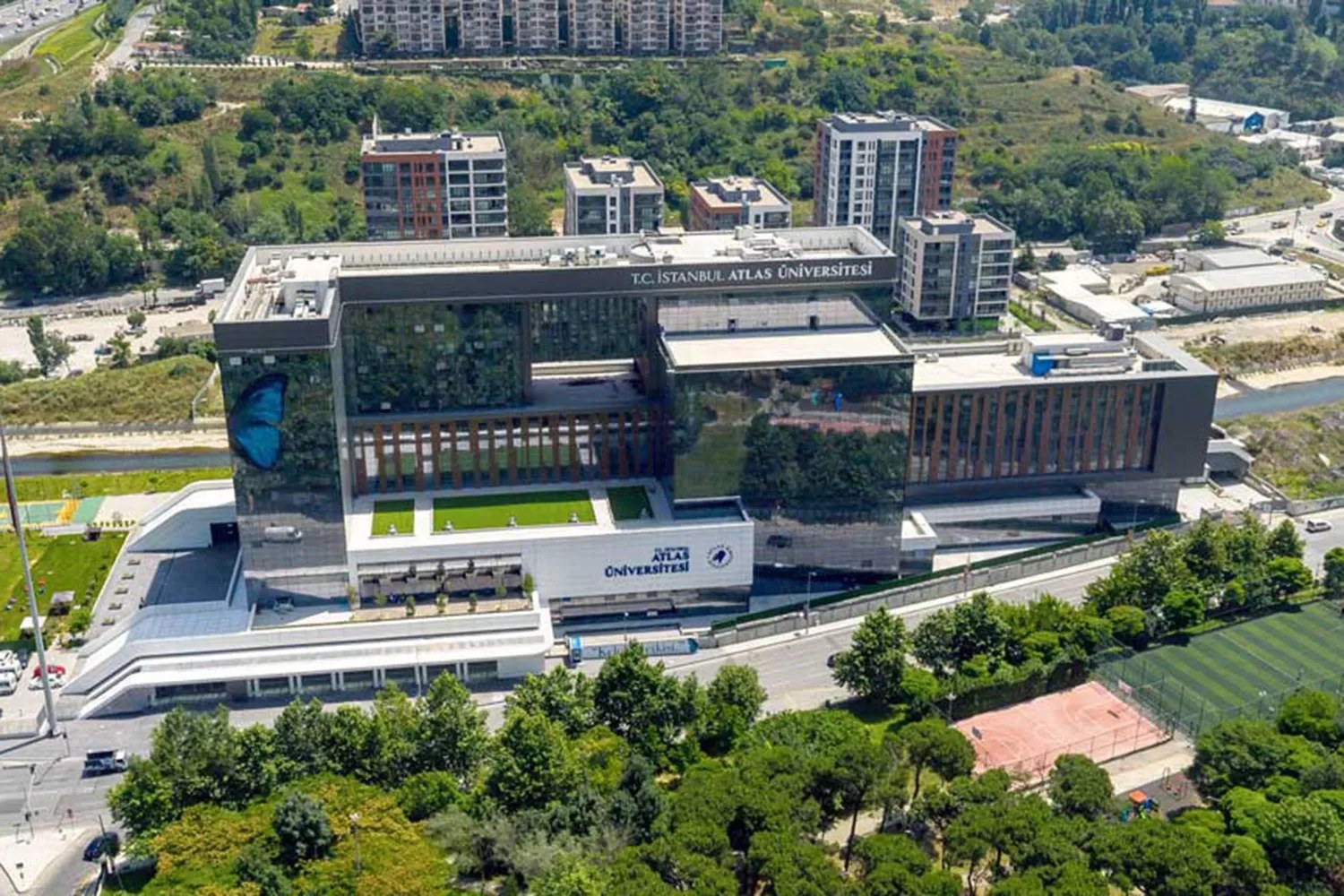
Atlas University Hospital — Neuromodulation Center
Istanbul, Türkiye
Care is delivered at the Neuromodulation Center of Atlas University Hospital in Istanbul — a dedicated centre for advanced functional neurosurgery. Every patient is assessed by a coordinated team spanning neurology, neurosurgery, neuropsychology, psychiatry and anaesthesiology, so that each Deep Brain Stimulation decision is made together, with the full clinical picture in view.
What Is Deep Brain Stimulation?
Deep Brain Stimulation (DBS) — often called a 'brain pacemaker' — is an advanced, adjustable neuromodulation therapy for neurological and movement disorders. Fine electrodes are placed in precisely targeted areas deep within the brain and connected to a small implanted pulse generator that delivers gentle, continuous electrical signals to regulate the abnormal activity behind tremor, stiffness, slowness and other symptoms. It is carried out as a two-stage procedure — stereotactic electrode placement followed by implantation of the pulse generator — and, unlike most treatments, the stimulation can be programmed, fine-tuned and even switched off as a patient's needs change. For people whose symptoms are no longer controlled by medication, DBS can restore movement, comfort and independence.
How DBS Works
DBS combines precise surgery with stimulation you can adjust for the rest of your life. Three elements make it work:
Precisely targeted electrodes
Under stereotactic guidance, fine electrodes are placed in carefully mapped deep-brain structures. During awake surgery, microelectrode recording 'listens' to individual brain cells and test stimulation confirms the exact target in real time.
An implanted pulse generator
A small neurostimulator — the 'brain pacemaker' — is placed under the skin below the collarbone and connected to the electrodes by leads tunnelled beneath the skin, delivering gentle, continuous stimulation day and night.
Adjustable, reversible therapy
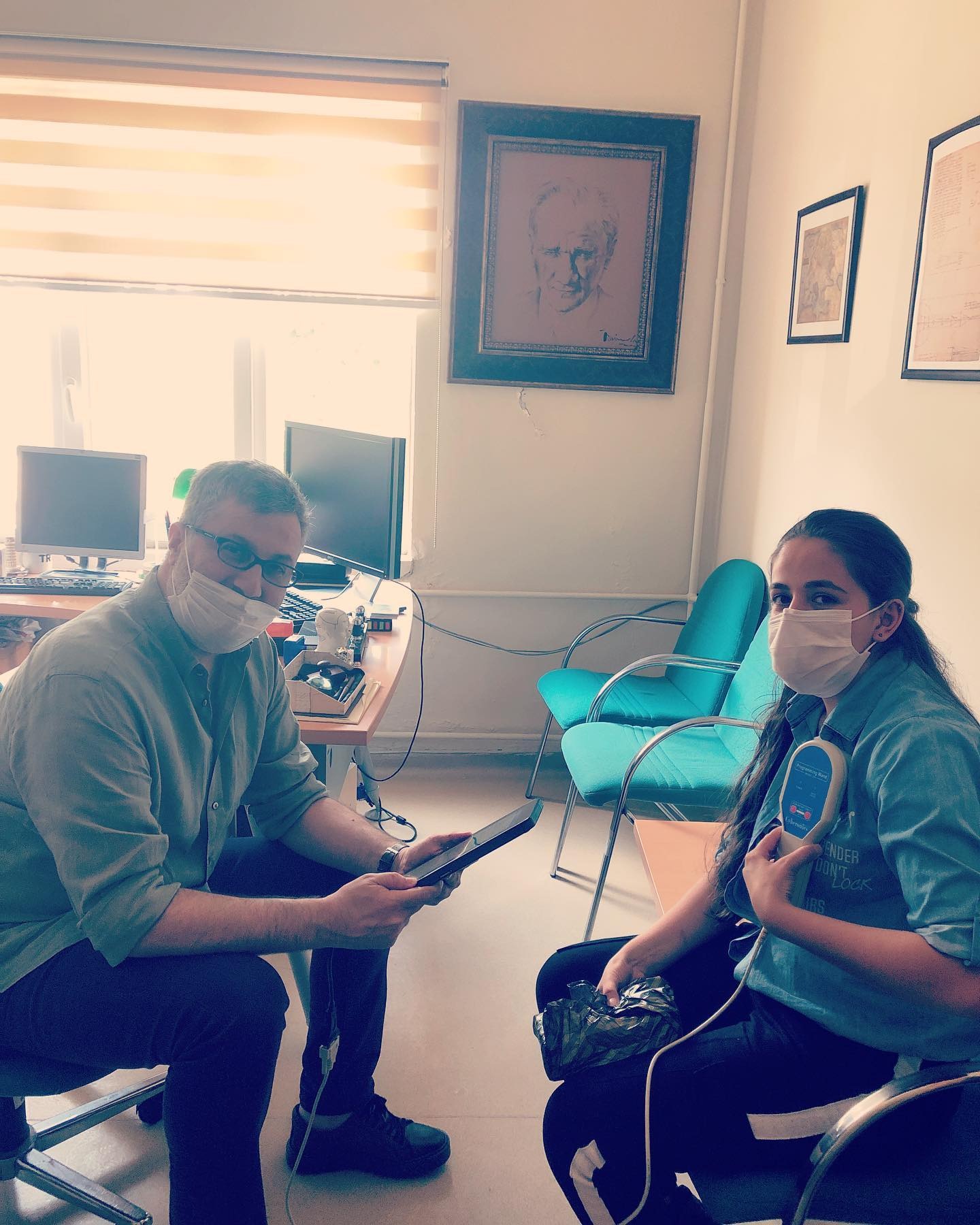
Stimulation settings — frequency, intensity and duration — are programmed without further surgery and refined over time. The therapy can be adjusted or turned off entirely, so it adapts as your condition evolves.
Conditions We Treat
Our team uses Deep Brain Stimulation and related neuromodulation therapies to treat a range of neurological and movement disorders when medication is no longer enough.
Parkinson's Disease
A chronic, progressive disorder caused by falling dopamine levels, with resting ('coin-counting') tremor, slowness, rigidity, small-stepped gait and 'off' periods. DBS — usually considered at least five years after diagnosis — targets the STN or GPi to markedly ease tremor, stiffness, slowness and fluctuations, and often allows medication to be reduced.
Essential Tremor
The most common movement disorder: an action tremor that worsens with movement (unlike Parkinson's resting tremor) and can affect the hands, head and voice. When severe tremor no longer responds to medication, DBS of the VIM nucleus of the thalamus can dramatically reduce shaking and restore everyday function.
Dystonia
Involuntary muscle contractions causing twisting movements and abnormal postures — from focal forms such as cervical dystonia to generalised, often inherited disease. In severe, medication-resistant cases (especially genetic dystonia), DBS of the GPi can meaningfully reduce symptoms, with improvement building gradually over months.
Tourette Syndrome
A neurological condition of motor and vocal tics. In severe cases where behavioural therapy and medication are not enough, DBS is carefully evaluated by the team as an option to reduce disabling tics.
Obsessive-Compulsive Disorder (OCD)
For treatment-resistant OCD, DBS may be considered after thorough psychiatric and neurological review, as part of a carefully selected, multidisciplinary treatment plan.
Medication-Resistant Epilepsy
When seizures continue despite at least two medications — or after epilepsy surgery — Vagus Nerve Stimulation (an 'epilepsy pacemaker') wraps an electrode around the vagus nerve in the neck to suppress abnormal brain activity. Outcomes range from significant seizure reduction to, in some patients, freedom from seizures.
Spasticity
Disabling muscle stiffness after neurological injury. For eligible patients, neuromodulation can reduce spasticity and improve comfort and mobility.
Which Brain Target Is Used
The stimulation target is chosen for your specific diagnosis. The most common are:
STN — Subthalamic Nucleus
A primary target for Parkinson's disease, often allowing meaningful medication reduction alongside strong control of tremor, rigidity and slowness.
GPi — Globus Pallidus internus
Used for Parkinson's disease and the main target for dystonia, easing involuntary movements and abnormal postures.
VIM — Thalamus
The target for tremor-dominant conditions such as essential tremor, strongly reducing action tremor of the hands, head and voice.
Vagus Nerve (VNS)
For medication-resistant epilepsy, an electrode placed around the vagus nerve in the neck suppresses the abnormal activity that triggers seizures.
Your DBS Treatment Journey
From your first message to lifelong follow-up, every stage is coordinated by the team so you always know what comes next.
-
01
Pre-travel case review you share MRI scans, medical reports and symptom videos (by WhatsApp) so the team can confirm, before you travel, whether a DBS evaluation is appropriate
-
02
Initial consultation a movement-disorders neurologist reviews your records, imaging and treatment history and performs a first suitability assessment, usually within a week
-
03
Eligibility screening a first, non-binding check of whether DBS is appropriate; if promising, you are referred for full multidisciplinary evaluation
-
04
Multidisciplinary evaluation a roughly three-day inpatient assessment by neurology, neuropsychology, psychiatry and anaesthesia, followed by a team meeting and a documented consensus decision
-
05
Pre-operative preparation about one to two weeks of tests (blood work, ECG, stereotactic MRI for targeting), medication adjustments, anaesthetic clearance and patient education
-
06
DBS surgery bilateral electrode placement (commonly awake, with microelectrode recording and test stimulation) followed by implantation of the pulse generator under the collarbone
-
07
Hospital recovery a control scan, careful early activation and monitoring; the total stay is typically five to ten days, with wound care, first programming and a DBS identification card
-
08
Initial programming (Month 1) the device is activated and adjusted and medication is gradually reduced, with a wound check and symptom re-assessment
-
09
Optimisation (Month 3) stimulation is fine-tuned to its stable settings, with meaningful medication reduction and repeat cognitive and psychiatric review
-
10
Lifelong follow-up semi-annual to annual reviews, with ongoing programming and medication adjustment (in person and remotely) as your condition evolves
Inside the Operation
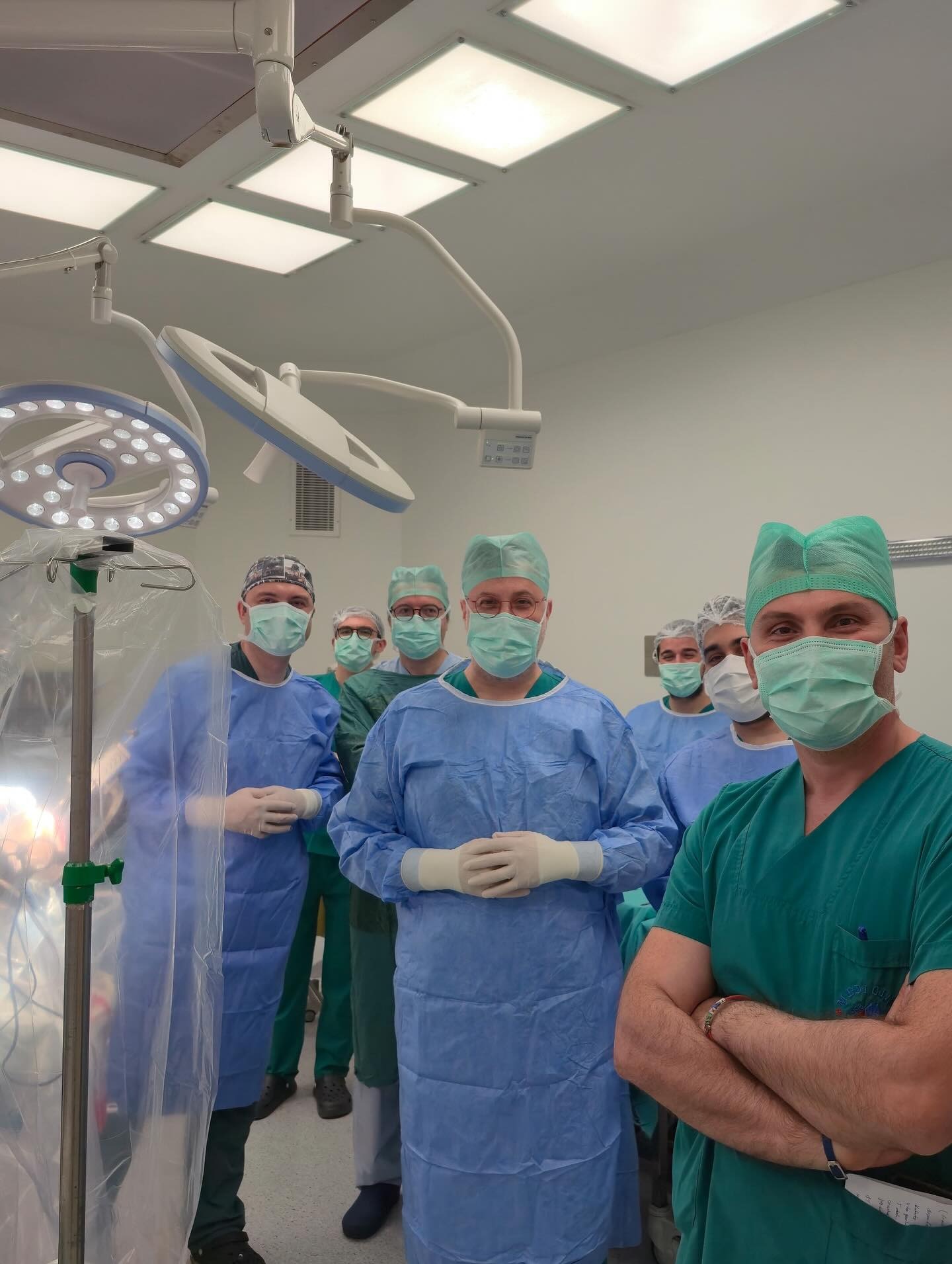
DBS surgery takes around four to eight hours (six to ten including frame placement) and is performed in two phases. In the first phase, a stereotactic frame is applied and electrodes are placed into the chosen targets — the STN, GPi or VIM. It is most often carried out with the patient awake, because microelectrode recording identifies the precise target tissue and test stimulation confirms the symptom response in real time; general anaesthesia is used for patients who are not suited to awake surgery, with the electrodes still placed under microelectrode guidance. In the second phase, the implantable pulse generator is placed under the collarbone and connected to the electrodes by leads tunnelled beneath the skin.
The Multidisciplinary Evaluation
DBS decisions are never made by a single doctor. During a short inpatient stay, four teams assess you in parallel and then meet to reach a documented, joint decision.
Neurological assessment
UPDRS motor scoring on and off medication, levodopa-response testing, gait analysis and tremor measurement to gauge how much DBS is likely to help.
Neuropsychological testing
Memory, attention and executive-function assessment, with dementia screening using tools such as MoCA and MMSE.
Psychiatric evaluation
Assessment for depression, anxiety, psychosis and risk, because psychiatric stability is important for a good DBS outcome.
Imaging & anaesthesia
Stereotactic brain MRI for surgical planning, together with anaesthetic risk assessment and overall fitness review.
Recovery & Hospital Stay
Recovery is closely monitored and progresses step by step.
-
01
Days 1–2, intensive care a control CT confirms electrode position and rules out bleeding; stimulation is activated at low voltage or deliberately delayed, and medication and neurological status are reviewed
-
02
Days 2–10, ward first programming of the pulse generator, wound care, the start of physiotherapy, and discharge education including your DBS identification card
-
03
Going home most patients are discharged within five to ten days, with the first follow-up at one month
Benefits You Can Expect
- Reduced tremor, rigidity, slowness, involuntary movements and tics, depending on your diagnosis
- Greater functional independence and quality of life in everyday activities
- Optimised or reduced medication, with fewer drug-related side effects and 'off' periods
- Stimulation that is adjustable and fully reversible, tailored to you over time
- A single implanted system that works continuously, day and night
Safety & Understanding the Risks
DBS is well established and, at experienced centres, the overall serious-complication rate is under 3%. Risk is minimised through careful screening, precise microelectrode-guided placement, intraoperative monitoring and strict sterile technique, and a 24/7 support line is available after surgery. As with any surgery, possible risks include:
- Intracranial bleeding — in roughly 1–2% of cases
- Infection — in roughly 2–5%, occasionally requiring further treatment
- Electrode migration or a need for repositioning
- Temporary cognitive or psychiatric changes
- Speech changes such as dysarthria
- A less-than-optimal response in a minority of patients
Battery Life & Replacement
The pulse generator is powered by a battery placed under the skin. A standard, non-rechargeable battery lasts on average three to five years; as it nears depletion, symptoms can gradually return, so timely replacement is important. Rechargeable batteries can last twenty to twenty-five years but require a short weekly charge at home. Replacing the battery is a simple procedure performed under local anaesthesia, usually taking fifteen to twenty minutes — the brain electrodes are left untouched, so the risk is minimal.
Are You a Candidate?
Suitability is always decided individually by the full team. As a general guide:
Often suitable
People whose Parkinson's disease, tremor or dystonia is no longer well controlled by medication (typically at least four to five years after a Parkinson's diagnosis), who still respond to levodopa, and who are in reasonable general and cognitive health. Controlled blood pressure, heart disease or diabetes do not rule you out.
May not be suitable
Very early disease (under four to five years), advanced dementia, uncontrolled psychiatric illness, frequent falls or advanced balance problems, little benefit from medication, or being generally over 80 — though every case is weighed individually, and medication and rehabilitation options are always offered.
Living with DBS After Surgery
- Mild early weight gain is common and worth keeping an eye on
- Non-contact sports are encouraged; contact sports are best avoided
- Avoid airport X-ray scanners and always carry your DBS identification card
- Most household electronics are safe; tell any clinician about your implant before an MRI or other procedure
- Stimulation and medication are reviewed regularly — in person and remotely — for life
Coordinated, Lifelong Care
DBS works best as part of a carefully coordinated, long-term partnership. Candidacy is decided individually, weighing diagnosis, symptoms, response to medication, disease duration and overall health, and every plan brings together neurology, neurosurgery, neuropsychology and psychiatry perspectives. After surgery, stimulation programming and medication are refined over time, with remote support and regular reviews so therapy stays effective at every stage. DBS does not stop the underlying condition, but for suitable candidates it can meaningfully reduce symptoms and restore quality of life.
Frequently Asked Questions
Will I be awake during the surgery?
Usually, yes. DBS is generally performed with the patient awake, because microelectrode recording lets the team listen to individual brain cells and test stimulation confirms the response in real time. General anaesthesia is available for patients who would find this uncomfortable.
Does DBS cure Parkinson's disease?
No. DBS is a genuinely effective treatment for suitable patients — especially for tremor, freezing, stiffness, slowness and involuntary movements — and often allows medication to be reduced, but it does not stop the disease, which continues to progress over the years.
How long is the hospital stay?
Most patients are discharged within five to ten days of surgery. The battery may be switched on at low voltage the next day, or activation may be delayed depending on your condition, with follow-up at one and three months.
Is there an age limit?
There is no legal age limit, although DBS is generally not recommended over the age of 80, and older patients are assessed especially carefully.
When is DBS considered in Parkinson's disease?
When tremor, freezing, stiffness and slowness become hard to control despite medication, 'off' periods increase during the day and involuntary movements appear. DBS is not recommended within the first five years from diagnosis.
Who decides whether I can have DBS?
Not a single doctor. After an inpatient evaluation by movement-disorders neurology, psychiatry and neuropsychology, eligibility is determined by the joint decision of all the relevant specialists.
How long does the battery last, and is replacement difficult?
A standard battery lasts on average about five years; rechargeable batteries last twenty to twenty-five years. Replacement is a relatively simple fifteen-to-twenty-minute procedure under local anaesthesia, leaving the brain electrodes untouched.
Is the treatment reversible and adjustable?
Yes. Stimulation settings are programmed without further surgery and fine-tuned over time, and the system can be adjusted or switched off entirely — unlike most other treatments.
What should I be careful about after surgery?
Early weight gain is common; non-contact sports are encouraged while contact sports are discouraged; avoid airport X-ray devices and always carry documentation of your DBS implant.
Can I be evaluated before travelling to Istanbul?
Yes. You can share your MRI scans, medical reports and symptom videos by WhatsApp so the team can review, before you travel, whether a DBS evaluation is appropriate.
What determines how successful DBS is?
Correct patient selection, precise surgery and electrode placement, and the close involvement of psychiatry, neuropsychology and anaesthesia. Success depends on true teamwork — specialised centres that coordinate all of these disciplines achieve the highest success rates.
Which conditions can DBS and neuromodulation treat?
Most commonly Parkinson's disease, essential tremor and dystonia, and — in selected cases — Tourette syndrome, OCD, spasticity and, through vagus nerve stimulation, medication-resistant epilepsy.
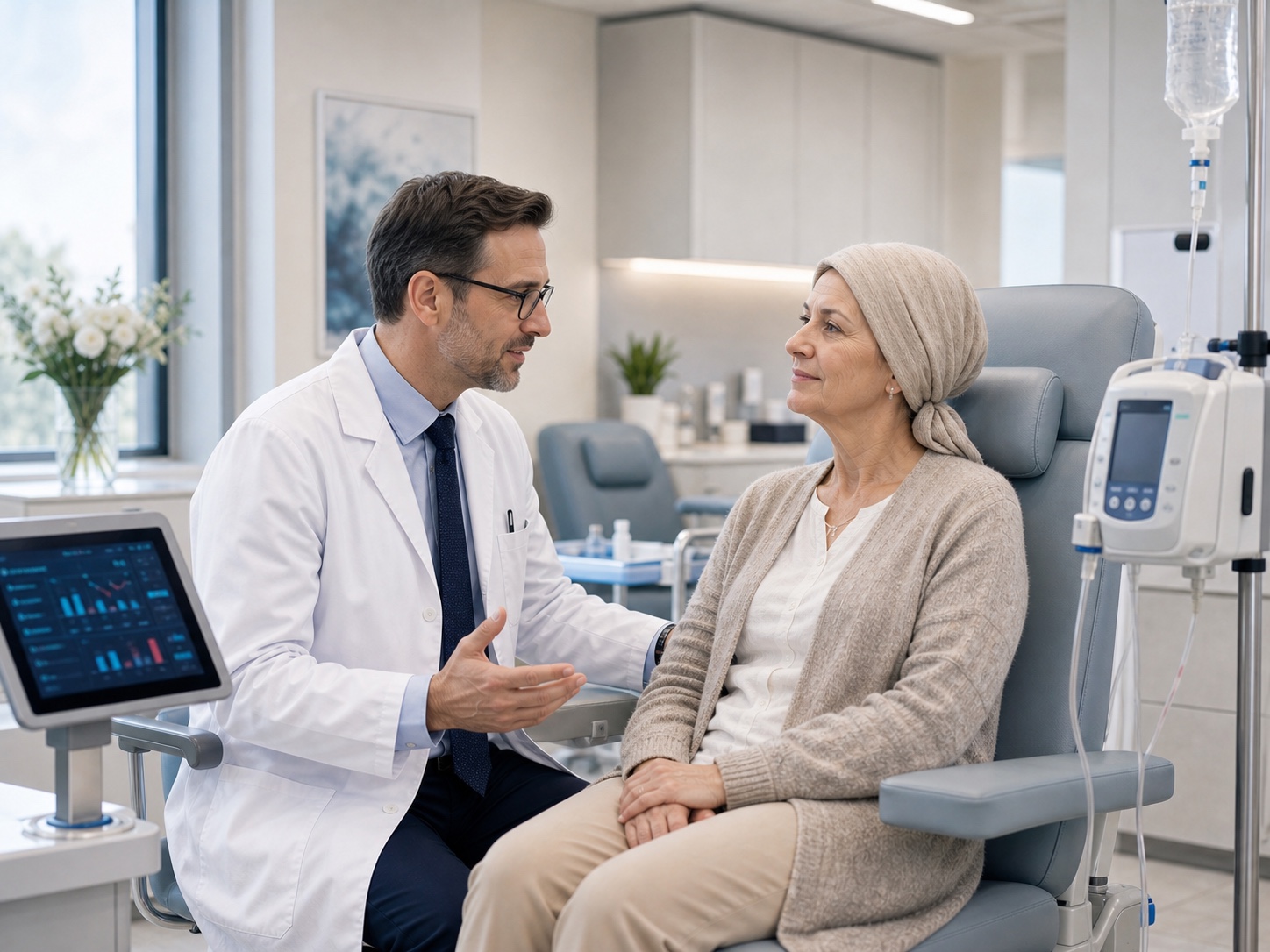
Inside the Centre
Photography coming soon.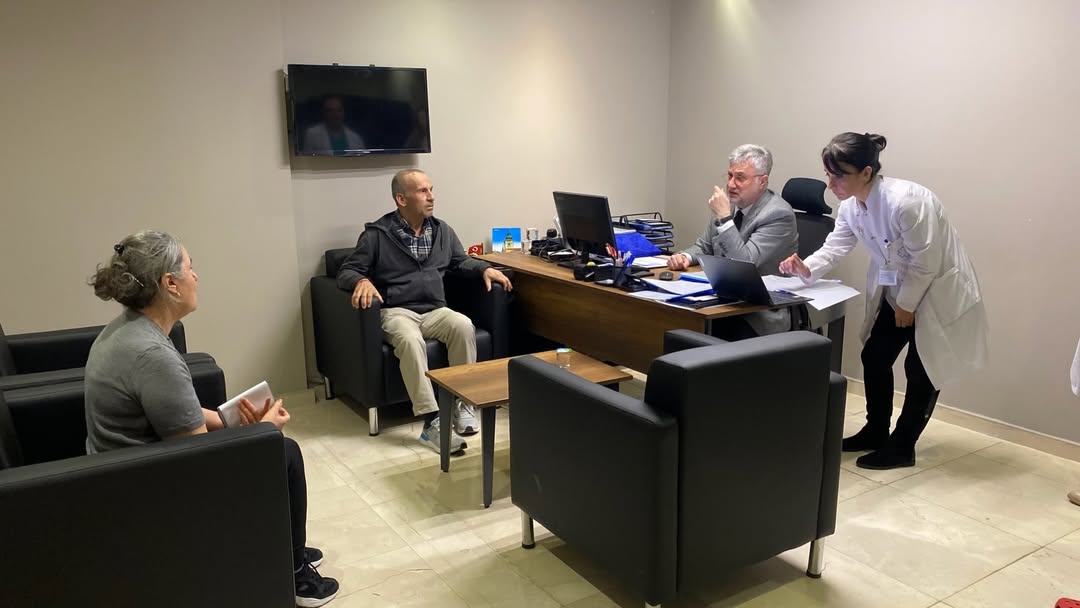

Interested in one of our centres?
Whether you are a patient, an insurer, or an institutional partner, our team is ready to tell you more about any of our centres and guide you to the right care. Reach out and we will be glad to help you take the next step.
Contact Mest Assistance